Hemp Fiber Nesting Pads
Coop bedding • 1+ Week Old


Hemp Fiber Nesting Pads
Coop bedding • 1+ Week Old
Hemp Fiber Nesting Pads reduce egg breakage and provide a cozy, tidy nesting box. Hens naturally scratch and kick their bedding, often ending up on the coop floor. Hemp nesting pads provide the pliability hens instinctively love without the mess. Hemp is all natural, pesticide free, highly absorbent, and a soft place to land!
-
- Hyper-absorbent and economical, stays put and requires fewer changes
- Odor resistant and a natural insect and fungi repellant
- Excellent temp control, keeps hens comfortable
- Biodegradable: great for composting with high levels of nitrogen & carbon
- Farm grown in the USA: free from pesticides and additives
- When starting for the first time, gradually introduce the new Nesting Pads by sprinkling with your previous nesting box material. Slowly reduce the old bedding once your flock has acclimated.
Four Reasons to Love Hemp Nesting Pads
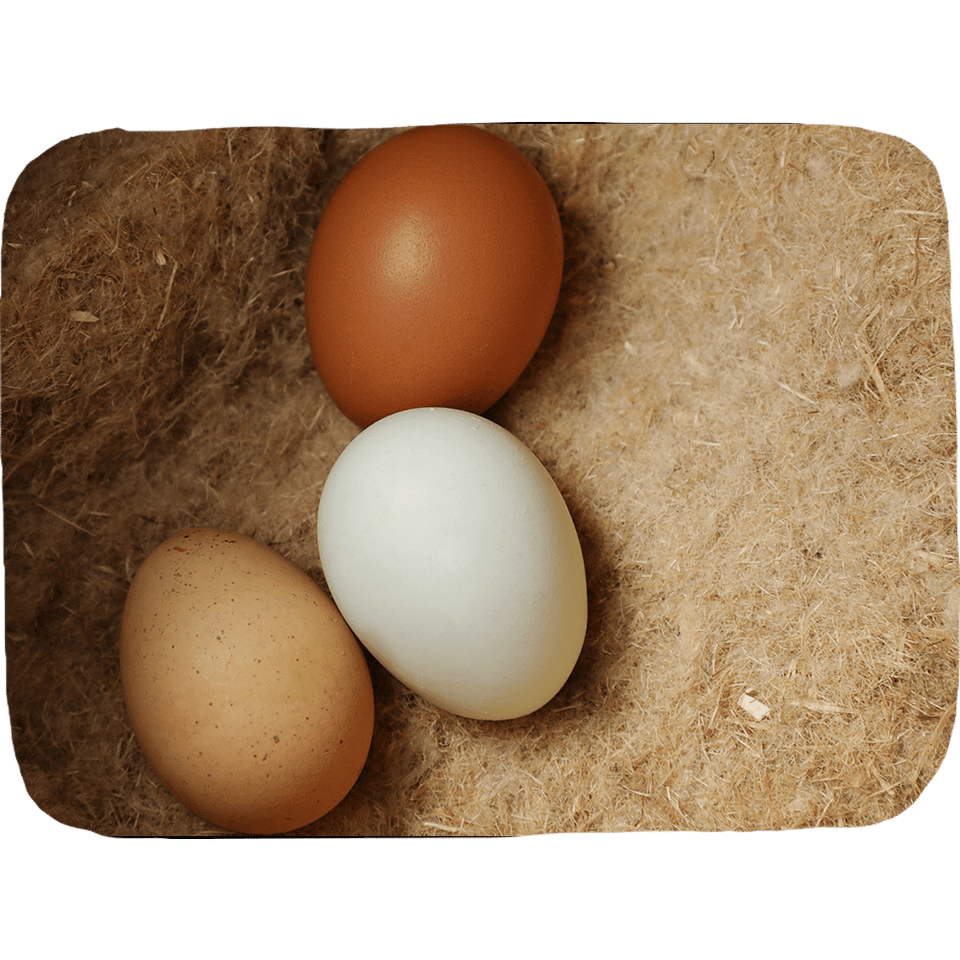
1. Reduces Eggshell Breakage
Your hens work hard for those eggs. Make sure they have a soft place to land.
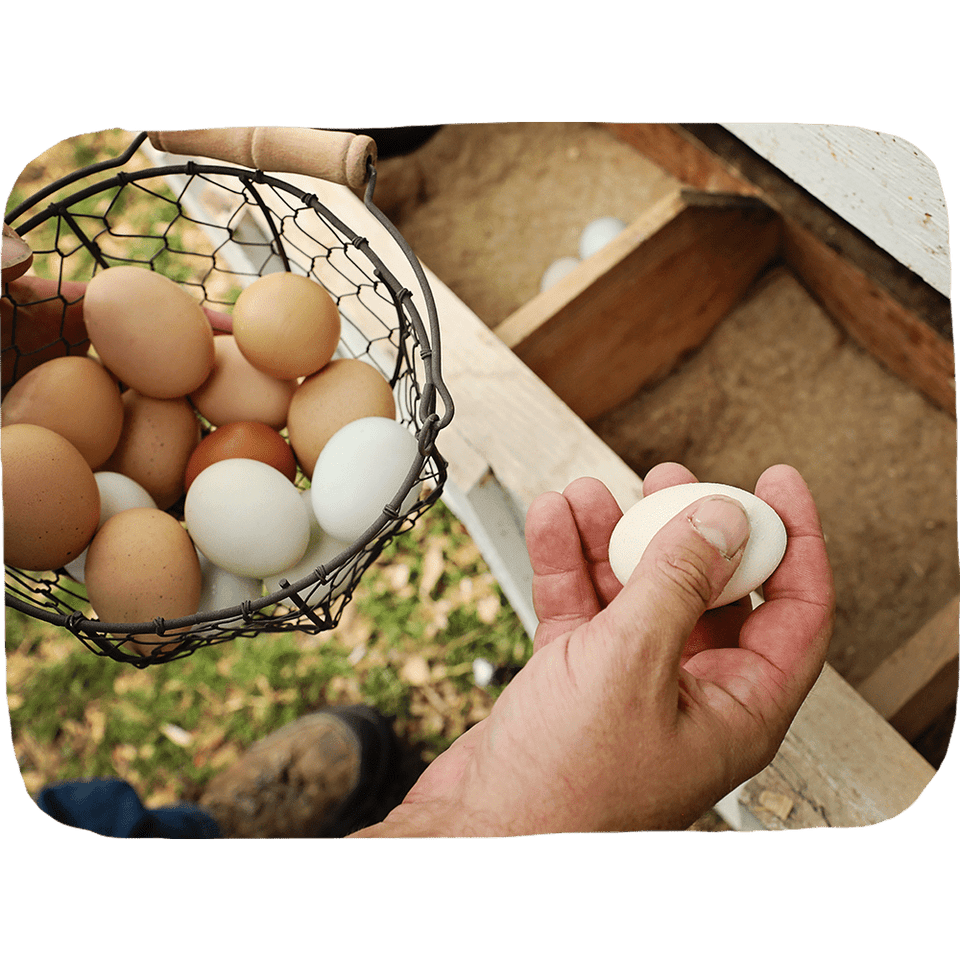
2. Hyper Absorbent
Hemp quickly soaks up moisture, keeping nesting boxes drier and eggs cleaner.
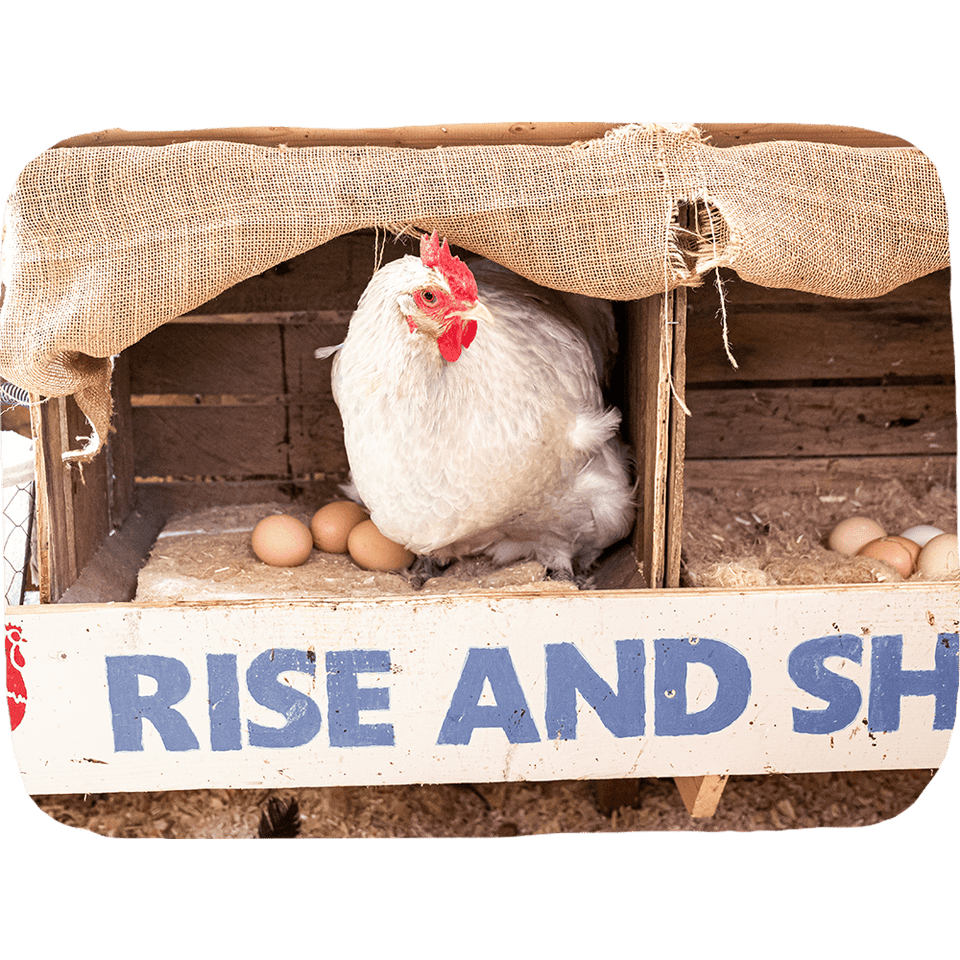
3. Soft and Cozy
Natural hemp creates a comfy, inviting nest your hens love to settle into.
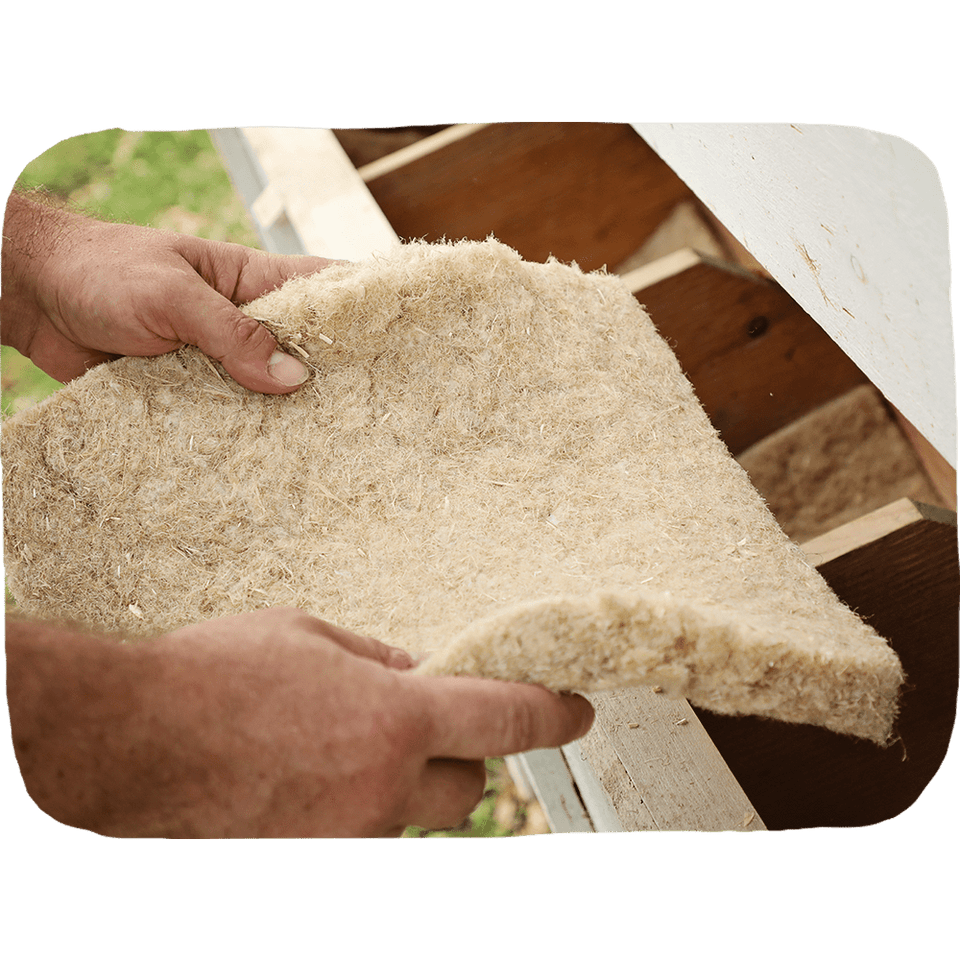
4. All Natural
100% natural and farm grown in the USA. Pesticide and additive free, only the best for your hens.
She's Building Her Nest
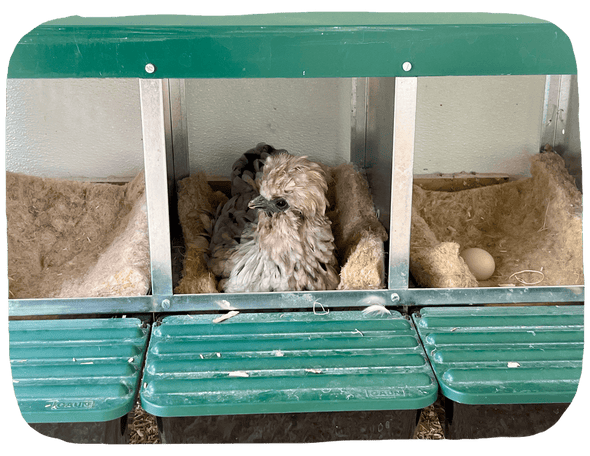
Before she settles in to lay, your hen instinctively scratches and arranges her nest into a cozy bowl — so a dip or dimple worked into the pad isn't damage, it's a nest she's proud of. Want your pads to last even longer? Tuck a thin layer of hemp bedding underneath. She gets something to rearrange, your eggs stay cushioned all the way down, and each pad goes further.
Chickens Hate Change — Until They Don't
Hens are creatures of habit, so a new surface can take a week or two to win them over. Ease the switch by sprinkling a handful of their old bedding on top and setting a ceramic decoy egg in the box to mark the spot. Push through that short adjustment and the payoff sticks: no more bedding kicked across the coop, fewer cracked shells, and a pad that stays put instead of needing a daily reset. Most flocks are fully settled within two to three weeks. Once they are, you'll wonder how you managed without them.
Learn More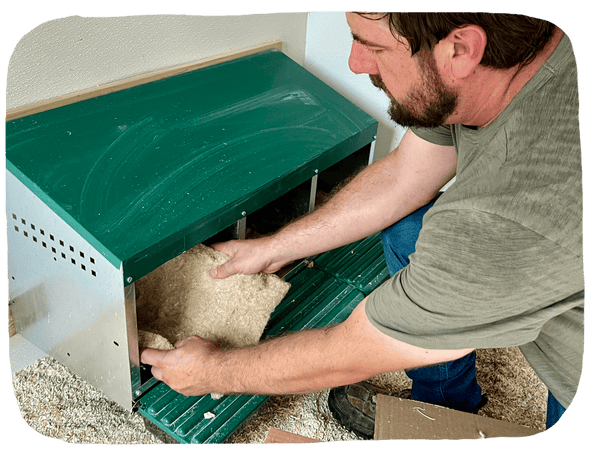
Love from our Grubbly family
FAQ
-
It depends on how many hens you have and how they use the nesting boxes. It could be a few weeks to a couple months.
For best results, we recommend maintaining with routine cleaning rather than frequent pad replacement. For easier cleaning, add a little bedding on top of your nesting pads. When it’s time to clean, rather than handpick the soiled parts, take out the pad and shake it. The added layer of bedding will prolong the life of your pads and make shaking excrement from the woven fibers easier.
Because hemp fibers are more durable than straw or other wood shavings, the nesting pads break down much slower.
-
Chickens hate change! Which is very relatable, we think. Chickens are creatures of strong habit, especially about their nesting boxes. A change in material — even an upgrade — can cause a flock to protest by laying elsewhere for days or weeks. This is completely normal and almost always temporary.
The most reliable fix is a gradual introduction: sprinkle a handful of their familiar bedding on top of the hemp pad so they encounter the new texture slowly rather than all at once. After about a week, reduce the familiar material by half. Most flocks have fully accepted the pad by week two or three.
If you have a stubborn holdout, try placing a ceramic or wooden decoy egg in the box — it signals to hens that this is an active laying spot and often does the trick. Heavy breeds like Australorps, Brahmas, and Orpingtons tend to be more particular about nesting changes and may just need a little extra time.
Give it 2–3 weeks before drawing a conclusion. The adjustment period is real but short, and most customers who work through the transition are glad they did. Checkout our short YouTube video for more examples and tips on helping your flock adjust.
-
Nothing is wrong! This is one of the most natural things a hen does. Before laying, hens instinctively rake and scratch their nesting material to shape it into a nest bowl. It's called pre-laying nesting behavior, and every hen does it. With loose material like hay or shavings, scratching just rearranges things. With a pad, that same motion can create a depression or hole in the center.
A small depression in the center is normal, that's the nest bowl she's built. If your hen is a vigorous scratcher and the hole is getting large enough that eggs might fall through to bare wood, the fix is simple: add a thin layer of hemp bedding underneath the pad. The pad sits on top and stays in place, while the bedding underneath fills any gaps and cushions eggs before they reach the hard surface. This pad-over-loose-bedding setup works especially well for heavy breeds — Australorps, Orpingtons, Brahmas — who tend to be more enthusiastic nest builders. For more tips and troubleshooting examples, check out our short YouTube video.
-
Yes, and it's fixable. Fresh eggs have a natural protective coating called the bloom that is slightly tacky for the first few hours after laying. Natural fibers — hemp, straw, flax — can cling to it. This is a characteristic of all natural fiber nesting materials, not a defect in the pad.
A gentle wipe with a dry cloth or soft egg brush removes fibers easily. We'd recommend not washing your eggs: the bloom is a natural barrier that extends shelf life, and rinsing it off shortens it. Once the bloom has dried — usually within a couple of hours of laying — fibers are much less likely to cling.
If you sell eggs and need a cleaner presentation, placing a very thin layer of hemp bedding on top of the pad gives a slight buffer between the egg and the pad fibers without sacrificing cushioning.
-
Hemp Bedding and Hemp Fiber Nesting Pads serve two different purposes and are made differently as a result.
The purpose of Hemp Fiber Nesting Pads is to provide a cushion in your nesting boxes, reducing egg breakage and keeping your nesting boxes cleaner and dryer. As a result, pads are made from hemp fibers which are long-lasting, yet soft and pliable. Hemp fibers come from the outer layer of the hemp stalk, like bark. They are durable, stringy fibers that are woven together onto a 12”x12” pad that is resistant to rot.
The purpose of Hemp Bedding is to keep your entire coop clean, dry, and comfortable. It comes from the woody core of the stalk, called hemp hurd for its absorbency. Our hemp bedding is chopped into small chips for incredible softness. Bedding does provide cushion, however chickens often scratch and kick it out of nesting boxes, making the Hemp Fiber Nesting Pads a perfect solution.
-
You absolutely can use both in your nesting boxes. Since a pad stays put, it is an all-around win—less egg breakage and less mess. You can add bedding to your nesting pads for extra comfort, especially in the colder months.
If your hens are heavy scratchers, try flipping the setup: place a thin layer of hemp bedding underneath the pad. This gives them something to scratch and rearrange without working through the pad itself, and extends pad life significantly.
-
Yes! Grubbly Farms Hemp Fiber Nesting Pads are 100% all natural and biodegradable. Our hemp is washed but never chemically treated. Fibers are bound by an all-natural, sugar-based adhesive.
-
Hemp is a natural, non-toxic material and will not harm chickens if small amounts are ingested. Our hemp is not chemically treated. Chickens may naturally peck at it but if your flock seems especially interested in munching on their bedding or nesting pads, make sure you are offering them grit and foraging snacks to combat boredom or nutrient deficiency. Even though hemp bedding comes from the same family of plants as marijuana, it does not contain significant levels of the psychoactive elements found in cannabis plants.
-
No. Hemp bedding does not attract pests, rather, quite the opposite. Hemp hurds contain natural pesticides calledcaryophyllene and humulene. These compounds enable the plant to be grown without insecticides since they naturally repel pests and parasites.